中文简体
中文简体 English
 Français
 Deutsch
 Italiano

Wangu Silk Advances Sustainable Fashion with GRS-Certified Recycled Polyester Fabric Solutions
The Shift Towards Sustainable Textile Manufacturing
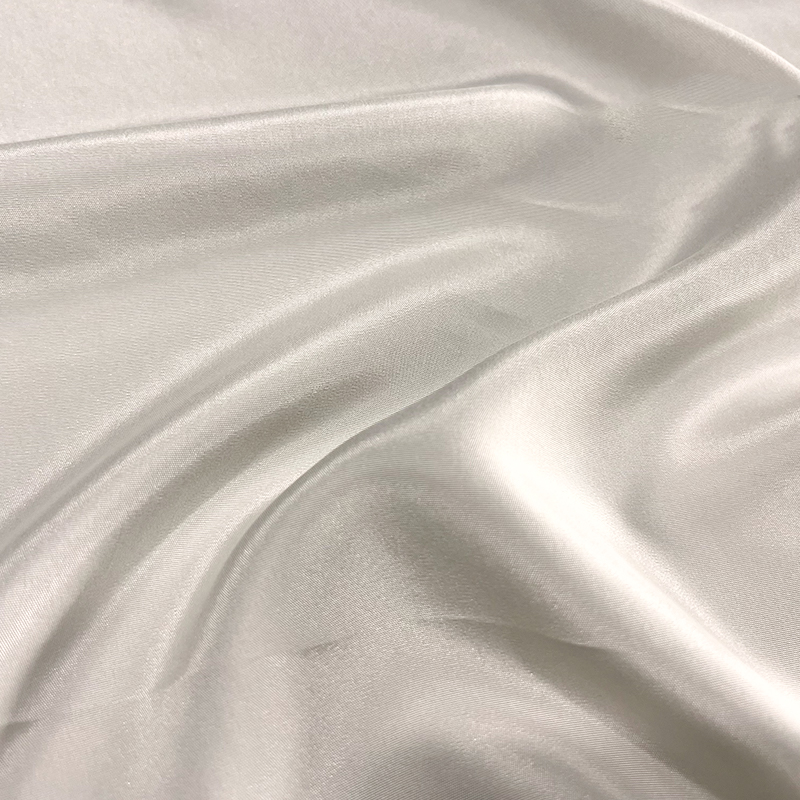
The global fashion industry is currently undergoing a massive paradigm shift, moving away from resource-intensive practices toward circular economy models. At the forefront of this transformation is the development and adoption of eco-friendly textiles. Wangu Silk has emerged as a pivotal player in this space, advancing sustainable fashion with GRS-certified recycled polyester fabric solutions. By transitioning from traditional virgin synthetic fibers to high-performance recycled alternatives, the company addresses one of the most pressing environmental challenges in textile manufacturing. The production of conventional polyester relies heavily on petroleum extraction and energy-intensive refining processes, contributing significantly to global carbon emissions. In contrast, recycled polyester repurposes existing plastics, diverting waste from landfills and oceans. Wangu Silk's commitment to this sustainable pathway ensures that brands can access premium quality fabrics without compromising their environmental integrity or performance standards.
Understanding GRS Certification in Recycled Polyester
To truly understand the value of these sustainable textiles, one must examine the rigorous framework of the Global Recycled Standard (GRS). This international, voluntary, full-product standard defines the requirements for third-party certification of recycled content, social and environmental practices, and chemical restrictions. For Wangu Silk, achieving GRS certification for their recycled polyester fabric solutions is not merely a marketing badge; it represents a comprehensive operational overhaul. The certification guarantees full traceability of the raw materials, ensuring that every spool of yarn can be traced back to its post-consumer or post-industrial waste source. Furthermore, the GRS framework mandates strict environmental management protocols during the manufacturing process, including the monitoring of energy consumption, water usage, and wastewater emissions. It also enforces rigorous social criteria, ensuring fair labor practices and safe working conditions throughout the supply chain. This holistic approach provides fashion brands with the verifiable data they need to make accurate sustainability claims and avoid the pitfalls of greenwashing.
Production Process for High-Quality Recycled Fabrics
The transformation of discarded plastic into premium textile fiber is a complex engineering feat that requires specialized machinery and deep technical expertise. Wangu Silk utilizes advanced mechanical recycling technologies to process post-consumer polyethylene terephthalate (PET) bottles into high-quality recycled polyester chips. These chips are then melted and extruded through fine spinnerets to create continuous filaments or spun into staple fibers. This process demands precise temperature control and filtration to remove any microscopic impurities, ensuring the final yarn possesses the same tensile strength and uniformity as its virgin counterpart.
Sourcing and Processing Post-Consumer Waste
The foundation of any high-quality recycled fabric lies in the purity of its raw materials. Wangu Silk partners with certified recycling facilities to source food-grade PET bottles that have been thoroughly cleaned, sterilized, and stripped of labels and adhesives. The bales of clear, food-grade PET are crushed into flakes, washed in hot caustic solutions to eliminate contaminants, and dried. This meticulous preparation phase is critical, as any residual organic matter or non-PET plastics can weaken the polymer chains during the melting phase, leading to yarn breakages and inconsistent dye absorption in the final fabric.
Performance Characteristics of GRS-Certified Recycled Polyester
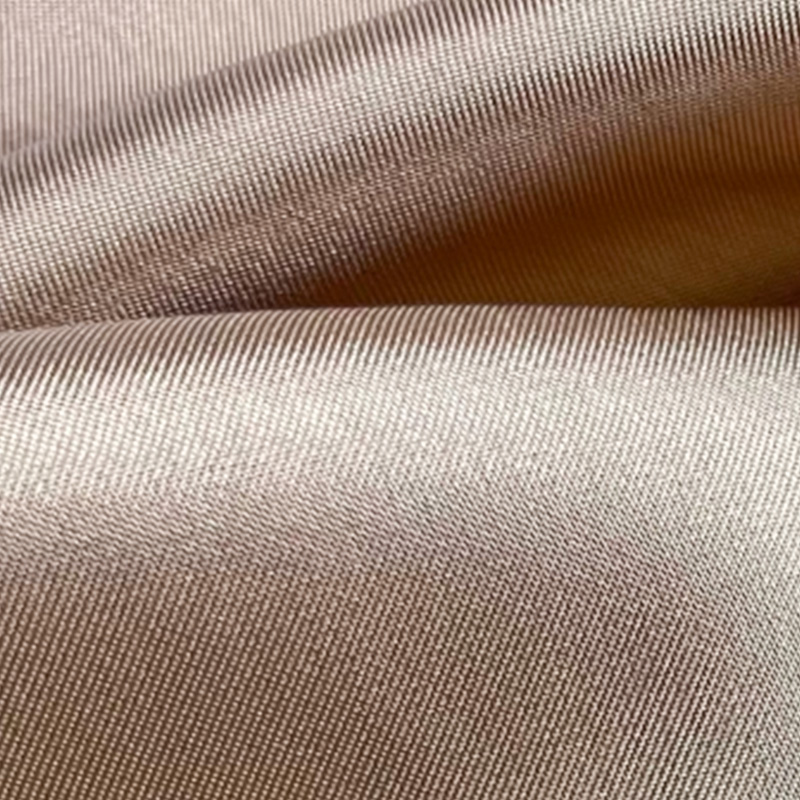
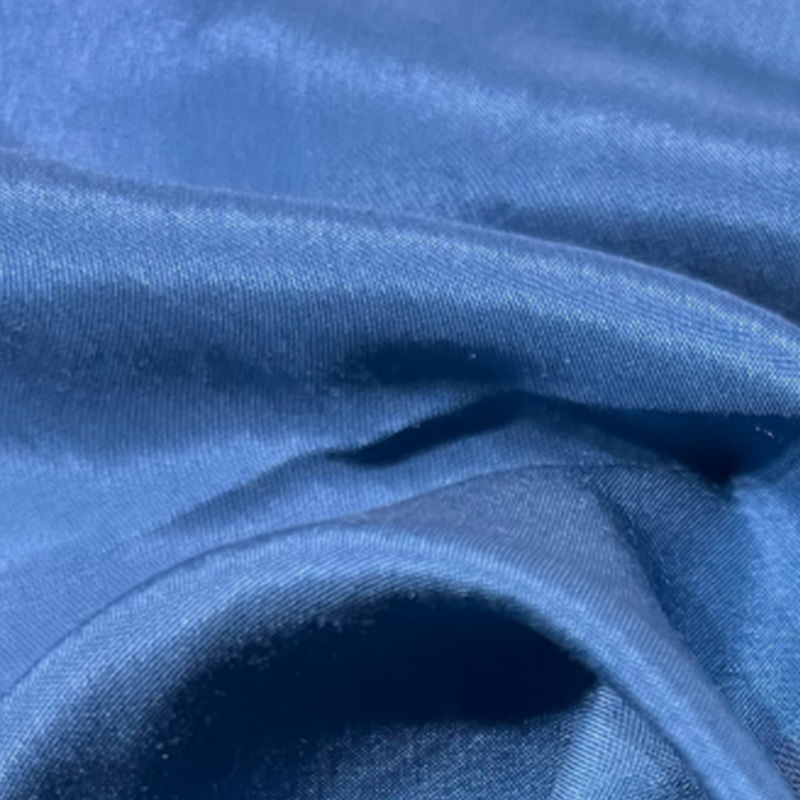
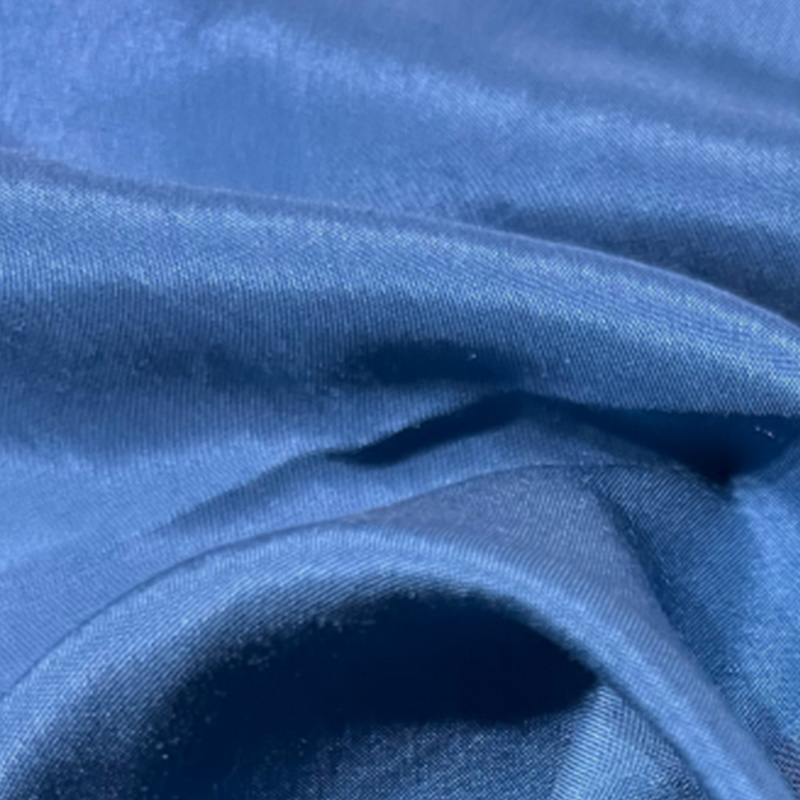
One of the most common misconceptions in the textile industry is that recycled fibers inherently compromise on performance. However, GRS-certified recycled polyester developed by Wangu Silk matches, and in some cases exceeds, the physical properties of virgin polyester. The molecular structure of the recycled polymer remains largely intact, providing exceptional tensile strength, abrasion resistance, and dimensional stability. Fabrics woven from these fibers exhibit excellent wrinkle recovery and retain their shape even after repeated washing and wearing. Additionally, the hydrophobic nature of polyester is preserved, making the fabric highly effective at wicking moisture away from the skin. This makes it an ideal choice for performance apparel and activewear. From a dyeing perspective, Wangu Silk has optimized the surface chemistry of their recycled yarns to ensure vibrant color uptake and superior colorfastness, allowing designers to achieve the rich, deep hues required for modern fashion collections without the need for excessive chemical fixatives.
Environmental Impact and Carbon Footprint Reduction
The primary driver for adopting GRS-certified recycled polyester is its profound positive impact on the environment. By utilizing existing plastics, the textile industry can significantly reduce its reliance on finite fossil fuels. The following table illustrates the comparative environmental benefits of producing recycled polyester versus conventional virgin polyester, highlighting the substantial resource savings achieved through Wangu Silk's manufacturing processes.
| Environmental Metric | Virgin Polyester | GRS Recycled Polyester | Resource Reduction |
| Energy Consumption | High | Moderate | Up to 59% less energy |
| Water Usage | Extensive | Minimal | Up to 20% less water |
| CO2 Emissions | High | Low | Up to 32% fewer emissions |
| Fossil Fuel Dependency | 100% Petroleum | 0% Petroleum | Complete elimination |
Applications in Modern Sustainable Fashion
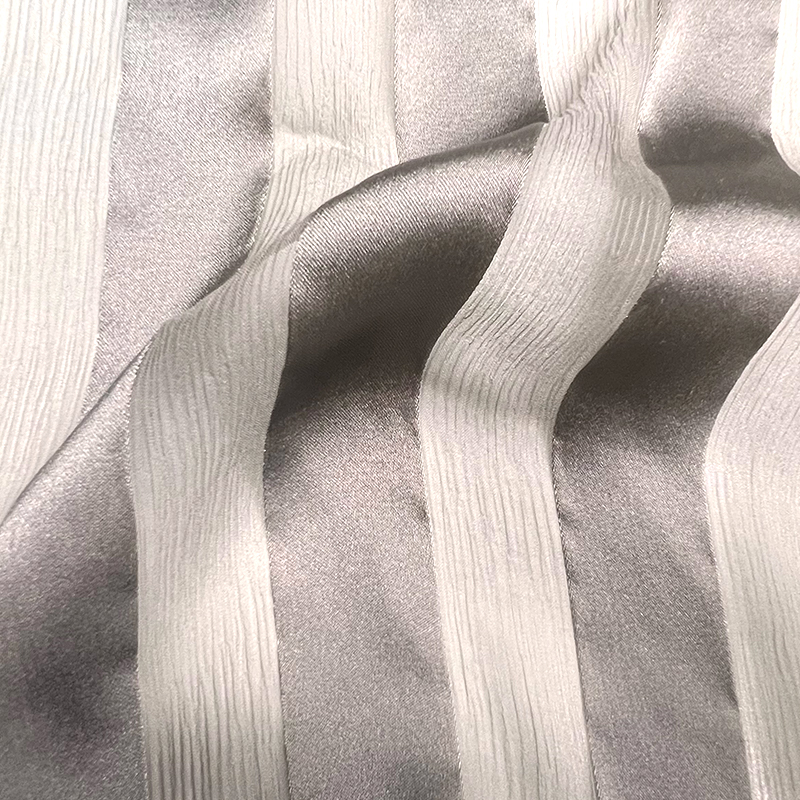
The versatility of GRS-certified recycled polyester allows it to be utilized across a vast spectrum of fashion categories. In the activewear and sportswear sector, the fabric's moisture-wicking capabilities and durability make it perfect for leggings, running shorts, and performance jackets. When blended with organic cotton or elastane, it creates comfortable, stretchable garments that cater to the growing demand for athleisure. In the outerwear segment, recycled polyester is frequently used for shell fabrics and insulating linings, providing excellent wind and water resistance when treated with eco-friendly durable water repellent finishes. Furthermore, Wangu Silk's recycled fabrics are increasingly being adopted in the fast-fashion and streetwear markets for everyday items like t-shirts, hoodies, and trousers. By integrating these materials, brands can significantly lower the overall environmental footprint of their collections while maintaining the aesthetic and functional qualities that consumers demand.
How Fashion Brands Can Integrate Recycled Polyester
Transitioning to sustainable materials requires strategic planning and collaboration between textile manufacturers and fashion brands. To successfully integrate Wangu Silk's GRS-certified recycled polyester fabric solutions into their product lines, brands should follow a structured approach to ensure compliance and maximize environmental benefits.
- Conduct a comprehensive material audit to identify high-volume synthetic garments that can be seamlessly transitioned to recycled alternatives without altering the design or fit.
- Request GRS transaction certificates from Wangu Silk for every batch of fabric purchased to ensure complete supply chain transparency and validate sustainability claims.
- Collaborate closely with the technical team at Wangu Silk to optimize fabric blends, ensuring the recycled polyester meets specific requirements for drape, hand-feel, and performance.
- Educate the consumer base through clear labeling and marketing campaigns that highlight the environmental benefits of the GRS-certified recycled polyester used in the garments.
Future Outlook for Eco-Friendly Textile Innovations
As global regulations surrounding textile waste and carbon emissions become increasingly stringent, the adoption of circular materials is no longer optional for forward-thinking fashion brands. Wangu Silk's continuous investment in GRS-certified recycled polyester fabric solutions positions them as a vital partner in this industry-wide transition. By scaling up production capacities and refining their recycling technologies, they are helping to close the loop on textile waste. The future of sustainable fashion relies on these innovative material solutions that prove environmental responsibility and commercial viability can coexist. Through ongoing research and development, Wangu Silk is poised to introduce even more advanced eco-friendly textiles, further empowering brands to create stylish, high-performance apparel that respects the planet.
 предыдущий пост